
Mahjong Solitaire Tips: 6 Habits That Double Your Win Rate
You Keep Getting Stuck at Twenty Tiles. Here's Why.
Everyone's first month of Mahjong Solitaire goes the same way: you click matching tiles, the board shrinks satisfyingly, and then — somewhere around the last twenty tiles — the free tiles stop matching, the board locks, and the game politely informs you there are no moves left.
Here's the part most players never realize: most of those boards were winnable. Mahjong Solitaire isn't a game of luck after the deal — it's a game of order. The same 144 tiles can be cleared or locked purely by which pairs you take first. The difference between a 20% win rate and an 80% win rate is a handful of habits, and they're all learnable in one sitting.
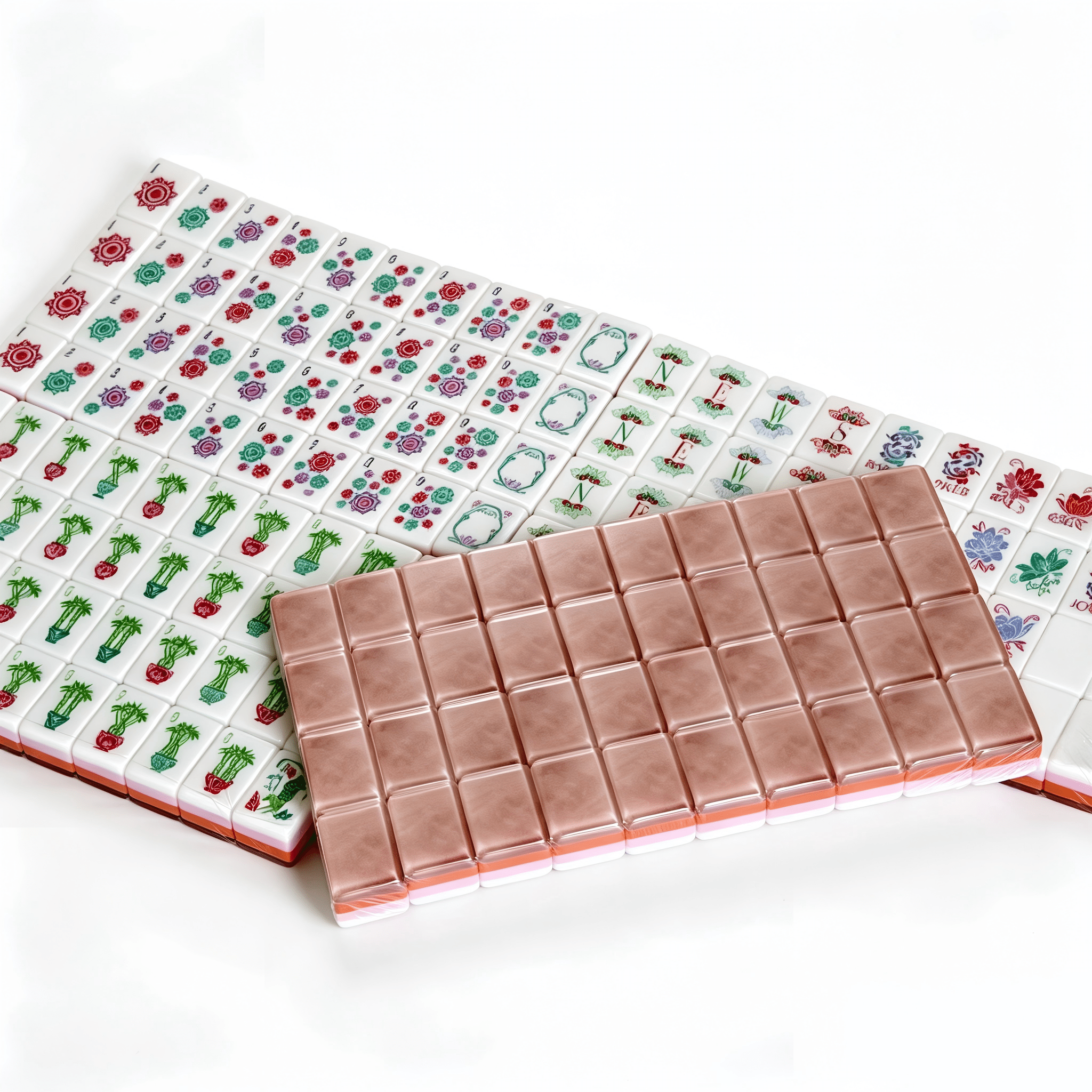
You can practice every technique in this guide for free on our online Mahjong Solitaire game — no download, unlimited boards. First, the mental model.
Rule Zero: What "Free" Actually Means
A tile is free — clickable — only when two things are true at once:
- Nothing is stacked on top of it — even a tile overlapping just a corner locks it.
- At least one long side (left or right) is open. A tile hemmed in on both sides is locked even if it's sitting on the very top layer.
Notice what's not in that rule: the top and bottom edges don't matter. Tiles wedged vertically but open on one side are free — and they're exactly the tiles other players walk past. Start every scan by finding them.
Habit 1: Work From the Top Down
Tiles on higher layers block everything beneath them, and a blocked tile can never be reached by clearing sideways. Every top-layer pair you remove doesn't just clear two tiles — it potentially unlocks one, two, or three tiles on the layer below. Edge tiles, by contrast, usually free nothing but themselves.
When you have a choice between two valid matches, the default answer is: take the one sitting higher on the stack. The board almost always gets easier as you peel downward, and harder the longer the peak sits untouched.
Habit 2: Count to Four Before You Click
Every standard tile has exactly four copies in the layout. That count is the single most useful piece of information on the board, and it changes every match:
- All four copies free? Take any pair — it's a guaranteed safe move, and the remaining two still match each other.
- Three visible, two free? Careful. If you match the two free ones, the third becomes free with no partner — and if the fourth is buried, you may have just manufactured a locked tile. Check where the fourth copy might be hiding before you click.
- Two visible, both buried deep? Start planning how to excavate them now. The classic unwinnable board ends with the last two copies of a tile locked in the middle of long rows.
Habit 3: Respect the Long Rows
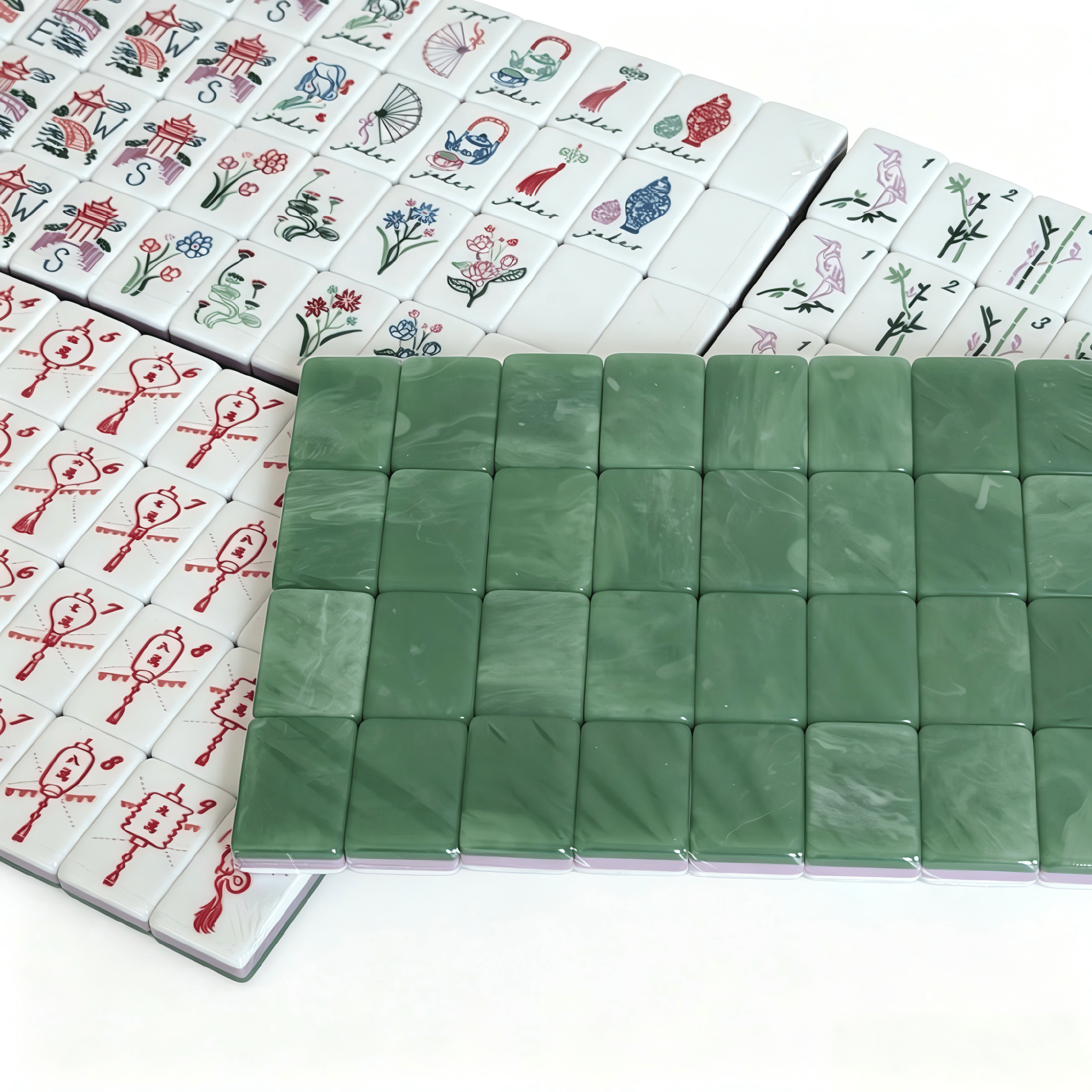
A long horizontal row can only ever be cleared from its two ends, one tile at a time. If a tile you'll eventually need sits in the middle of a long row, start eating toward it early — leaving it for late is precisely how winnable boards get lost. Before every match, glance at the long rows and ask: is anything critical buried in there?
Habit 4: Save the Seasons and Flowers
Season tiles and Flower tiles don't need to match identical symbols — any Season pairs with any other Season, any Flower with any Flower. That makes them the most flexible tiles on the board: they can never be stranded, because any two free ones in the group match.
The strategic play is to hold them like jokers. A free Season pair is always available as a safety move later; spend it now and you've burned your flexibility. Match them when you're stuck, or when clearing them unblocks something underneath — not just because they're sitting there.
Habit 5: Keep the Board Balanced
Clearing one side of the layout while the other side sits fully stacked is a slow-motion trap — the untouched side eventually runs out of reachable matches. Reduce the layout evenly across both sides, and pull from the outside in. Outer tiles have more open sides; removing the outer ring is what exposes the dense, locked middle.
Habit 6: Undo Is a Strategy, Not a Cheat
If a match leaves you with fewer available moves than you had before it — undo it and take a different pair. Strong players re-wind constantly, especially in the second half of a board. It costs nothing, and it converts "unlucky" losses into wins. The same goes for a shuffle if the game offers one: shuffle when the board is genuinely dead, not as a substitute for scanning.
Not Every Board Is Winnable — That's Fine
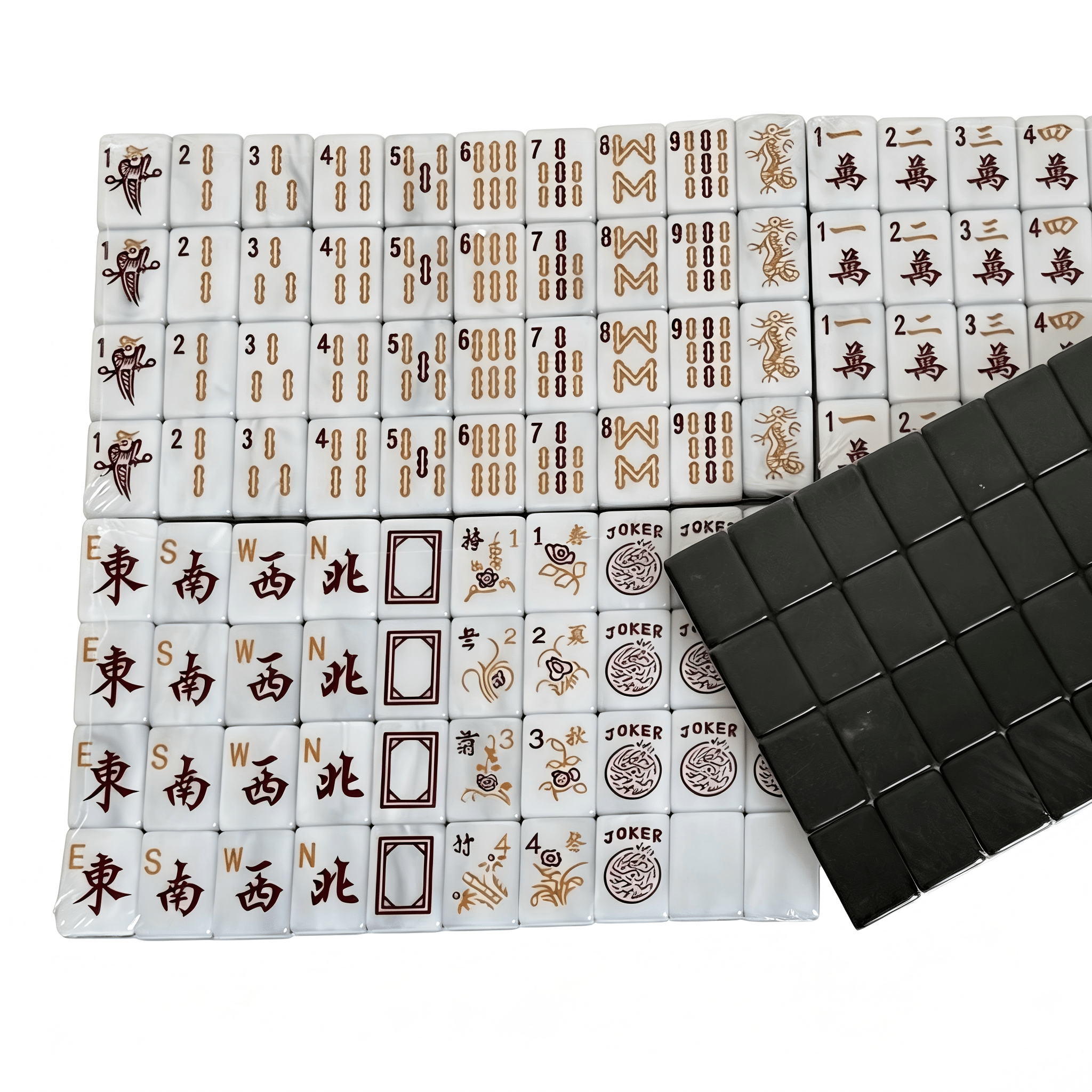
Honesty time: because layouts are randomized, some deals cannot be fully cleared no matter what you do. Don't chase a dead board for twenty minutes. Once the remaining tiles show no path — two copies of three different tiles all locked in place — recognize it, restart, and play the next one with everything you've practiced. Volume plus good habits beats perfectionism on any single board.
Solitaire vs. the Four-Player Game
Mahjong Solitaire shares nothing with table mahjong but the beautiful tile faces — it's a single-player puzzle invented for computers in 1981, not the four-player strategy game. But that's exactly why it's the perfect companion: it teaches you every tile on sight, so when you sit down at a real American mahjong table you already read the set fluently. Learn the full four-player game in our 15-minute beginner rules guide, or just keep puzzling — our free mahjong games page has Solitaire, Memory, and Connect, all free in the browser. For what each symbol means, see our guide to mahjong tile symbols.
Mahjong Solitaire FAQ
What makes a tile free in Mahjong Solitaire?
A tile is free when no other tile is stacked on top of it — even partially — and at least one of its long sides, left or right, is open. Only free tiles can be selected and matched.
What's the best strategy for winning Mahjong Solitaire?
Clear top layers first to unlock tiles beneath, count the four copies of each tile before matching, avoid creating locked pairs, save Season and Flower tiles for when you're stuck, and use the undo button freely when a match reduces your available moves.
Do Flower and Season tiles need to match exactly?
No. Any Season tile matches any other Season, and any Flower matches any other Flower. They act as flexible wildcards within their group, which is why experienced players save them rather than matching them immediately.
Are all Mahjong Solitaire boards winnable?
No. Layouts are randomized, and some deals cannot be fully cleared regardless of play order. Skilled play dramatically improves your win rate on winnable boards, but recognizing a dead board and moving on is part of the game.
