
Mahjong Girls' Night: How to Plan the One Everyone Actually Shows Up To
The New Girls' Night Involves Tiles
Every friend group retires its formats eventually. Book club quietly died the third month nobody finished the book. Wine night lost its charm somewhere around the fifth round of "so... anything new with you?" And dinner parties, bless them, require actual cooking.
Which is why the groups having the most fun right now are the ones that switched to mahjong. The game gives a night structure without stiffness: something to do with your hands, a reason to trash-talk, a pace that leaves plenty of room for conversation — and a natural end point so nobody's stuck making exits at midnight.
This isn't a niche observation. Mahjong game nights are up 94% year over year according to Axios, roughly 1.8 million Americans played online in the past year, and the scene's center of gravity is unmistakably women — from 20-somethings hosting their first tables to the weekly groups that have met for decades.
Why Women Are Driving the Boom
The mahjong revival looks sudden, but its social infrastructure was built by women a century ago. After the game swept America in the 1920s, it was women who kept the tables running — community groups, synagogue basements, suburban living rooms — through every decade the game was declared "over." When today's revival arrived, it didn't have to build a culture from scratch. It just had to show up.
What's genuinely new is the demographic at the front of the wave:
- It's the anti-doomscroll. You can't play mahjong and scroll at the same time — one hand asks for twenty minutes of real attention. Women exhausted by the second shift of group chats and Slack are reclaiming that focus as a form of self-care.
- It's social without performance. Unlike a workout class or a networking event, a mahjong table wants nothing from you but presence. Conversation happens in the gaps, which is where the good conversations live.
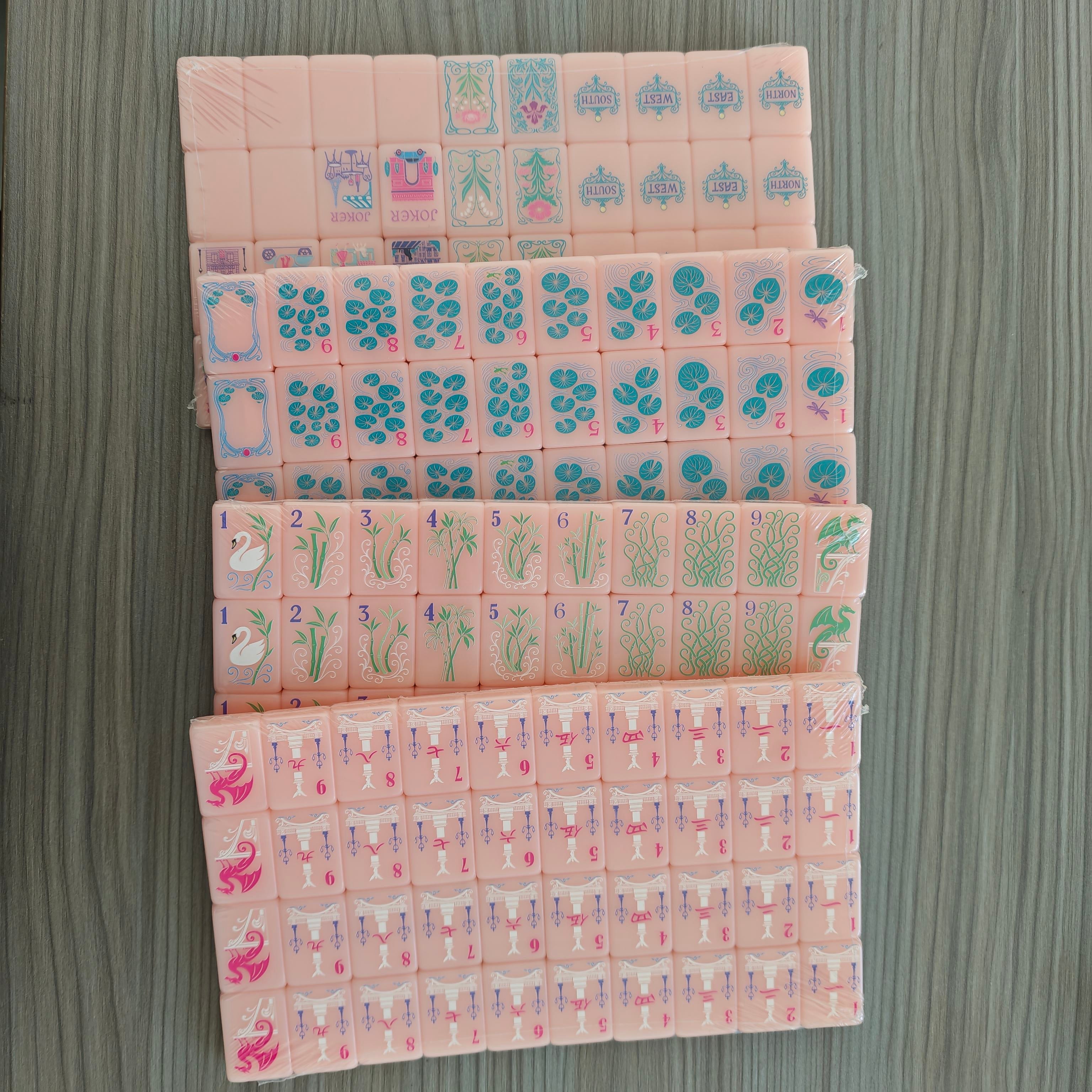
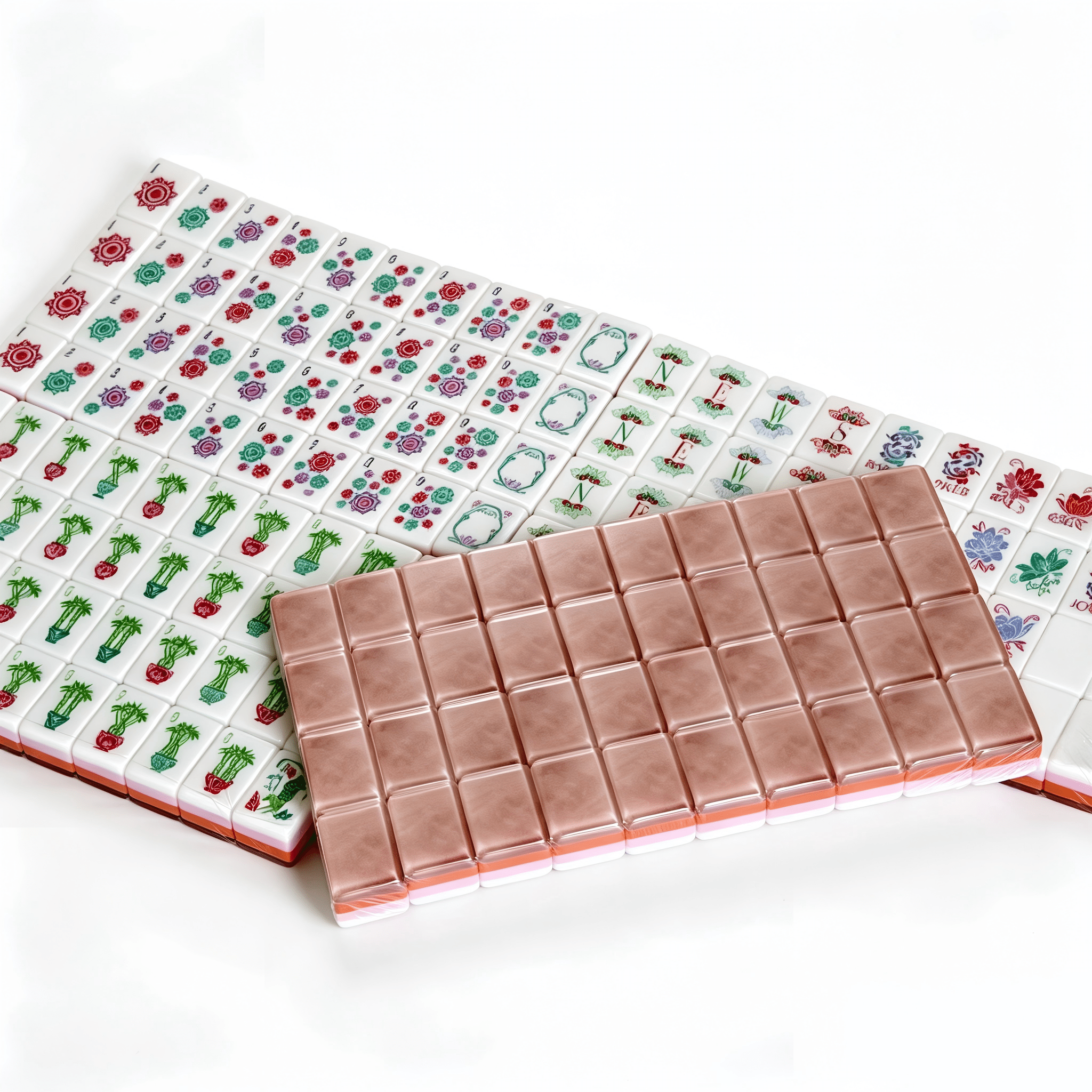
- The aesthetic pulled people in. Designer labels from Prada to Ralph Lauren now make sets, pastel tiles dominate social feeds, and the tablescape has become half the fun. (More on that below.)
- It scales across generations. A 28-year-old, her mother, and her grandmother can share a table competitively — there are very few activities where that's true.
The demand is real enough that dedicated mahjong social venues are opening — one Utah parlor has taught the game to more than 1,200 people since opening, with new private-event requests arriving weekly. But you don't need a venue. You need a table.
Your First Girls' Night: The Three-Week Plan
The mistake most first-time hosts make is inviting everyone before anyone can play. Do it in this order instead:
- Week 1 — learn alone (30 minutes). Read a short beginner rules guide, then play a few games against AI on a free online mahjong game. You don't need to be good — you need to be the person who's seen the Charleston happen once.
- Week 2 — recruit one friend. Send her the same link and play a game together online, ideally with snacks on a video call. Two people who can muddle through make the live table work.
- Week 3 — host four. Keep the rule card visible, play slow, explain out loud, and let the wrong moves slide. First nights are about wanting a second night.

Occasions That Beg for a Table
A mahjong table slots into almost any women's gathering, sometimes with just a theme tweak:
- The standing girls' night: A monthly (or weekly — ambitious groups do weekly) game with the same core four. This is the format that turns into the decades-long friendship group.
- Bachelorette weekend: The Saturday-afternoon slot between Friday night and Sunday brunch, when nobody wants another bar. Tiles, mocktails, and the bride learning she's ruthless.
- Baby showers: Mahjong is one of the few party games a guest of honor at 8 months can comfortably play for two hours — and grandmothers-to-be are often the best teachers in the room.
- Milestone birthdays: A "new decade, new hobby" 30th or 40th with the table as centerpiece beats another restaurant reservation.
- Mother-daughter and multi-generation holidays: The rare activity where three generations genuinely want the same seat.
Make It Look Like an Event
Half the reason mahjong nights photograph so well is that the setup is genuinely easy to make beautiful — the game brings its own centerpiece:
- Layer the table. A mat (or even a linen runner) under the tiles, small bowls instead of one snack pile, and the rule card propped where everyone can see it.
- Sips with names. A signature drink menu is the cheapest theater there is — name them after tiles: the Joker's Wild Paloma, the Lucky Bamboo Spritz, the East Wind mocktail. One batchable cocktail, one mocktail, done.
- Low-mess grazing. Nothing that greases or crumbles near the tiles: nuts, olives, grapes, cookies on napkins.
- A playlist and a hard stop. Background music, and announce "two more hands" before anyone gets tired. Nights that end well get rescheduled.
For the deeper hosting playbook — guest math, teaching order, what to prep ahead — our first night checklist and the mahjong social hosting guide cover everything.
When You Can't Get Four in One Room
The classic girls' night problem isn't interest — it's geography. The fix is already built into the game: online tables with room codes. One person creates a game, shares the code in the group chat, and friends join from three different cities, same table, same trash talk. A standing monthly virtual game has kept more than one scattered friend group intact.
It's also the gentlest possible on-ramp for shy beginners: learning against AI in private, at your own pace, with zero audience — then arriving at the real table already knowing what "two bam" means.
Make It a Tradition
Every long-running mahjong group started exactly the way yours can: one person learned, one date got set, one night went well. The second one is easier. By the sixth, you're the friend who "does the mahjong thing," and people start asking you for invites.
Start this week: play your first game free against the AI, forward the link to the one friend who'd be into it, and put a date on the calendar while you're both excited. The tiles handle the rest.
Mahjong Girls' Night FAQ
How many people do I need for a mahjong girls' night?
Four per table — that's the game's fixed structure. For bigger groups, invite six or eight and rotate players between hands; the people waiting keep snacks coming and the table talk going.
Can I host mahjong if nobody knows how to play?
Yes, if one person learns first. Spend 30 minutes with a beginner rules guide and a few games against AI online, then walk the table through two slow, fully-explained hands. First nights are about fun, not mastery.
Is mahjong good for a bachelorette party or baby shower?
Both work well. Mahjong fills the low-energy afternoon slot of a bachelorette weekend, and it's one of the few party games comfortable for a guest of honor at any stage — often with grandmothers as the best teachers in the room.
What if my friends live in different cities?
Play online with room codes: one player creates a table, shares the code, and friends join from anywhere — the same table conversation without the travel. Many groups keep a monthly virtual game between in-person nights.
Deal Yourself In
The women having the most fun with this trend didn't grow up playing — they just said yes once. Say yes this week: one free game online, one link forwarded, one date on the calendar. Mahj on!
